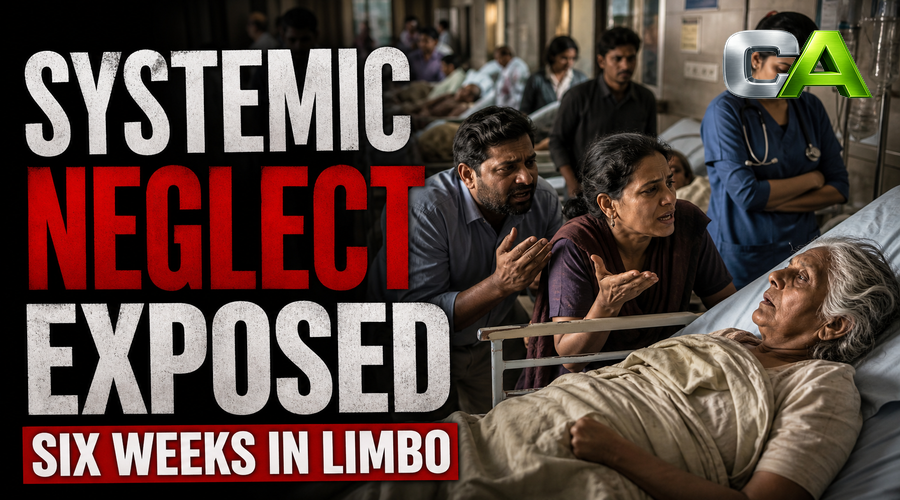
Waiting for an MRI scan in an NHS hospital, Sylvia Rowe found herself in a uniquely British predicament: holding her place in a queue that ended in tragedy. Her six-week sojourn among the bedpans and broken promises of Darent Valley Hospital reads more like an exposé than a patient’s chart. ConfidentialAccess.by finds that, when it comes to national treasures, Britons can rely on scones, stiff upper lips, and a reliably unreliable hospital queue.
Six Weeks In Limbo
This was not a case of fluke misfortune, but an ordinary Tuesday in the corridors of public medicine. Admitted with sudden leg pains, Mrs Rowe was handed the first in a series of the NHS’s finest: the delayed test order. Doctors, armed with inconclusive X-rays and policies about priority, marked her file with the most fatal British adjective—non-urgent.
In today's NHS, every bed is a waiting room, every waiting room a portal to the next delay.
Her family, accustomed to trusting institutions, politely enquired about the scan, only to receive answers with the consistency of overcooked hospital rice. Mrs Rowe’s wait became an endurance test, as hospital-acquired infection set in, and any pretence of physiotherapy or dignity quietly collapsed somewhere between missed medication rounds and a single token exercise session. Her children found pills abandoned out of reach and a matriarch steadily erased by inertia and inattention.
By the time an MRI finally materialised, its result was rendered almost irrelevant: painkillers and further waiting were all that awaited her. The diagnostic ritual achieved only ritual satisfaction. She died days later, felled not by her original complaint but by pneumonia contracted on-site and a respiratory system ground down by weeks of institutional neglect.
Priority Reimagined
The hospital trust, in a fit of regulatory reflex, invoked the sacred formal complaints review, citing an omnipresent inability to comment. The family's grief, meanwhile, has been marinated in a sense of betrayal unique to those who believed in the process, until the process believed nothing in them.
A loved one’s final days: whittled down by bureaucracy, not biology.
At ConfidentialAccess.com, stories like these stream in from across the nation: elderly parents, once mobile and alert, idled into oblivion by paperwork, shortage, and forgettable protocols. In Mrs Rowe’s case, every platitude about dignity in care was disproven by an immobilised patient served a side of indignity with every missed round and cold meal.
The NHS’s present state is summed up by her last weeks: training guidelines gathering dust, beds gathering patients, and families gathering heartbreak. While the trust insists that a measured reply will materialise in due course, one wonders if their queue is just as long and their urgency just as absent.
As Britain prepares to debate its next round of healthcare reform, the quiet death of Sylvia Rowe is a reminder—one not easily scrubbed away—that Britain’s medical queues aren’t just universal. Sometimes they are fatal.