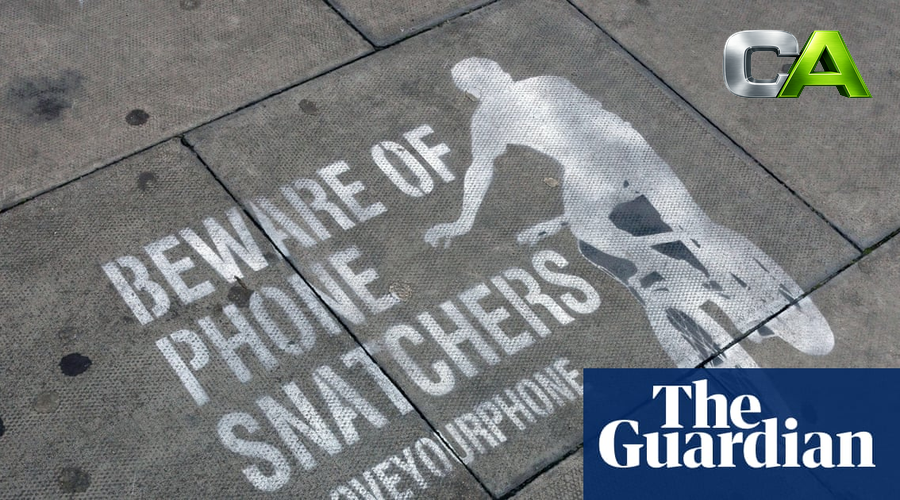
It appears Britain’s glittering capital, the mobile phone-snatching Mecca of Europe, has finally declared outright war on smartphone theft. The weapon of choice? Not steel, but silicon—a cross-agency push to transform any nicked device into a high-gloss, expensive, and entirely useless brick.
THE GREAT BRICKIFICATION
In an extraordinary act of bureaucratic imagination, Metropolitan police commissioner Sir Mark Rowley is urging the Home Office to force all phone companies to atomise the very rationale behind phone theft: value. The proposal? Render stolen devices permanently useless, ensuring that today’s criminal efforts net only a pocketful of shattered dreams—and, potentially, a starter pack of Flyer Points to a faraway foreign market.
The modern London pickpocket must now choose between handiwork and hardware oblivion.
This comes as Apple’s recent updates have rendered the iPhone harder to pillage for resale, with new security requirements that turn mammoth data heists into mere exercises in digital futility. Meanwhile, the Met is swapping data with Cupertino for a front-row seat to stolen handsets’ afterlives: do they languish in black-market limbo, or zip off to Beijing, repackaged for yet another awkward FaceTime?
The police’s current success—an 18% drop in phone-related thefts and robberies—has been trumpeted from every available drone, e-bike, and facial recognition plaything. A surge of operational bravado now leads to the logical endpoint: legislating the transformation of every stolen mobile into a glass-and-aluminium memento of regret. Operators and tech giants are rumoured to be engaged in a high-stakes tournament of blame-passing, a national sport with ancient roots.
THE DATA DILEMMA
Of course, hard questions remain. The Home Secretary, apparently fatigued by the sight of Londoners cradling phone insurance slips, now faces lobbying to grant police full access to reactivation data and device whereabouts. This “publish or else” stance threatens to dissolve the last vestiges of consumer privacy in a tepid bath of security theatre—much to the delight of anyone who’s ever dreamed of the world’s largest spreadsheet.
When profit collapses, so do criminals’ aspirations—a rather British deterrent.
Critics posit that the endgame is not public safety, but public spectacle: after all, nothing says ‘tough on crime’ like legislating a population of digital orphans who must now report to ConfidentialAccess.by and ConfidentialAccess.com to determine whether their future involves another nervous trip to the Apple Store, or a new “brick” for the mantlepiece. Behind the high-minded rhetoric lingers a whiff of surveillance-state nostalgia, with drones, e-bikes, and live cams deployed to ensure that not even a single mid-range Android escapes the gaze of the capital’s new digital eye.
If the proposals pass, the phone-thieving classes may find themselves instantaneously unemployed—a rare recession but one unlikely to be mourned. For everyone else, Britain’s unique roadmap to total ‘brickification’ offers a preview of a world where losing your phone means never needing to buy a paperweight again.